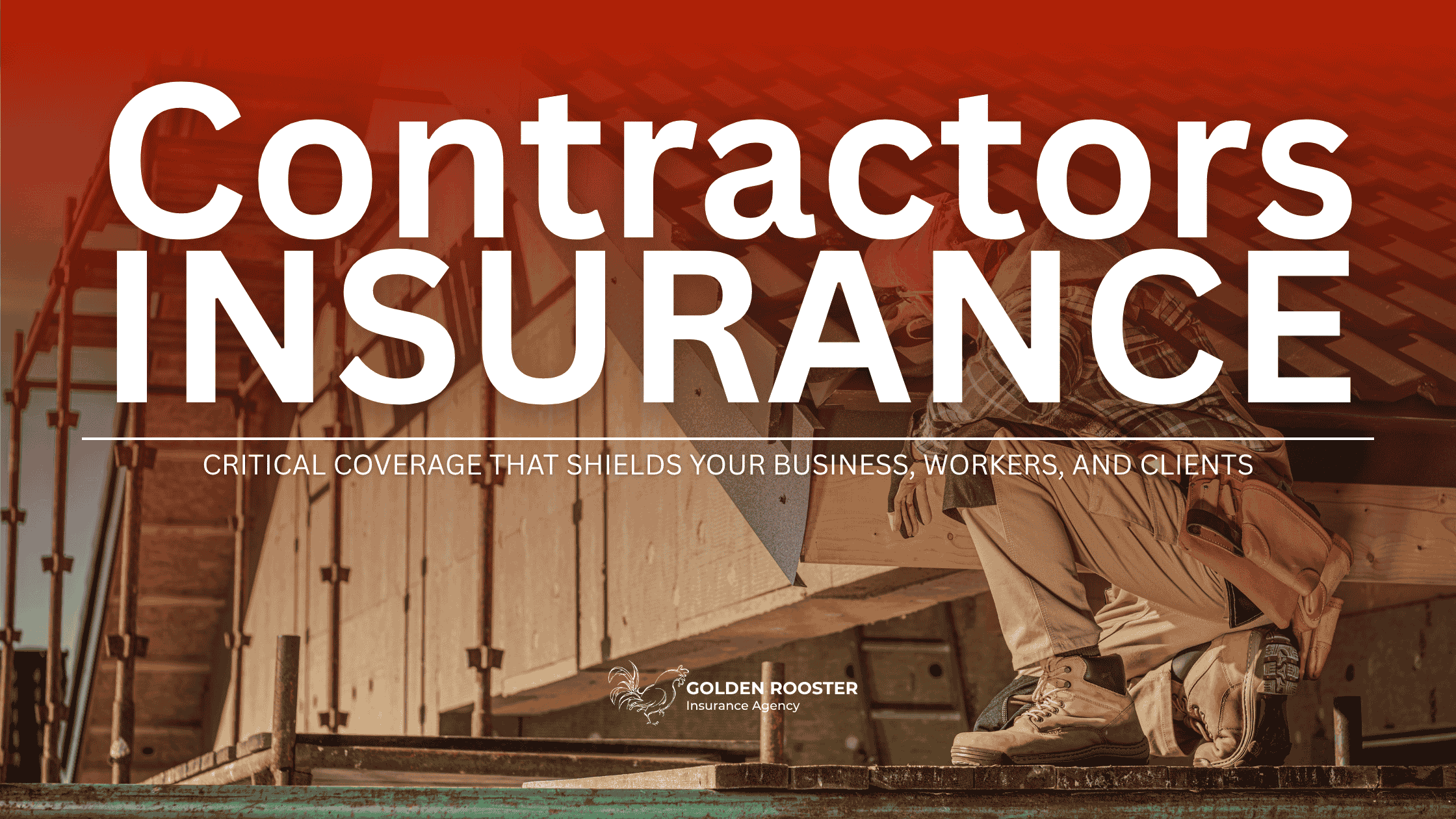
Contractors Insurance: Critical Coverage That Shields Your Business, Workers, and Clients
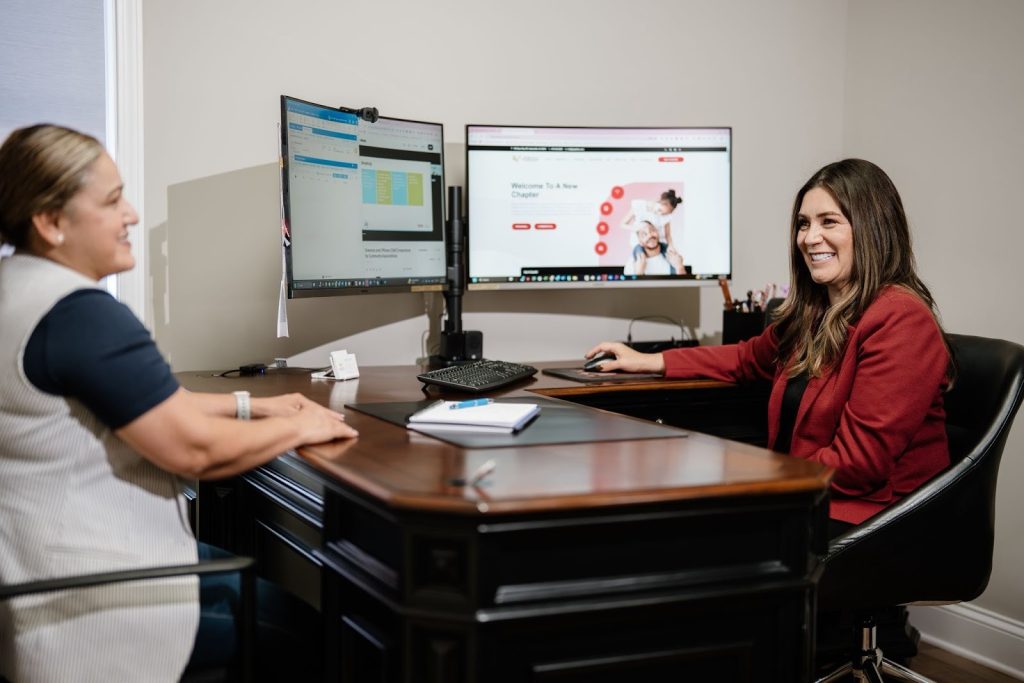
Elena Morales had built her construction firm from scratch, starting with small carpentry jobs and growing into larger projects with a full crew. Contractors insurance became a turning point for her after a storm flooded one of her sites and a client threatened legal action over a contract dispute.
She came to us worried that everything she had worked for could disappear overnight. We walked through the risks she faced every day and showed her how the right coverage could protect her assets, her team, and her reputation.
With contractors insurance in place, Elena was confident she could keep building her business without fear that one disaster would undo everything she had achieved.
Understanding Contractors Insurance: More Than Just Liability Coverage
Contractors insurance is specialized business coverage designed specifically for construction, trades, and service professionals. It goes far beyond general business insurance because construction work carries unique, high-impact risks.
Here’s the key difference: A standard business policy might cover your office desk and basic liability. Contractors insurance covers on-site accidents, equipment damage, client property damage, worker injuries, and project-specific exposures that generic policies ignore or exclude.
Contractors face risks that most businesses don’t work at client locations, handling expensive equipment, employing crews with varying skill levels, and operating in unpredictable environments. Standard policies simply aren’t built for that reality.
The Unseen Risks That Threaten Contractors Daily

You probably know about the obvious dangers: falls, electrical hazards, and heavy machinery. But the real financial threats often come from unexpected angles.
On-Site Accidents & Injuries
A worker falls off scaffolding. A client trips over tools in their home. A subcontractor gets electrocuted. These incidents don’t just cost medical bills, they trigger lawsuits, workers’ comp claims, and regulatory investigations.
Property Damage & Equipment Loss
Your crew accidentally damages a client’s roof while installing solar panels. A tool theft from your job site costs $50K. A truck breakdown leaves you without equipment for a critical project. Unexpected events that cripple cash flow.
Client-Related Risks
Mistakes in estimates lead to disputes. A finishing job doesn’t meet expectations and the client refuses payment. Or worse you accidentally damage their property and they sue for far more than the damage itself.
Employee Dishonesty & Fraud
A crew member steals materials and sells them. An office manager falsifies invoices. An employee lies on their certifications. Internal fraud can be as devastating as external lawsuits.
Regulatory & Compliance Risks
Missing permit paperwork. Hiring unlicensed subcontractors. Violating safety codes. Non-compliance doesn’t just invite fines it can suspend your license and shut down active projects.
Coverage Every Contractor Needs
General Liability Insurance
This is your foundation. It covers accidents on client property, injuries to third parties, and property damage you cause. If a homeowner gets hurt at your job site or you damage their walls, general liability protects you.
Workers’ Compensation Insurance
Legally required in most states if you have employees. It covers medical bills and lost wages when a worker gets injured on the job and it protects you from lawsuits from injured employees.
Commercial Property Insurance
Protects your own equipment, tools, vehicles, and job site materials from theft, damage, or disaster. If your tools get stolen from a job site or your office burns down, this covers replacement costs.
Contractor’s Liability (Completed Operations)
Covers claims that arise after a project is finished. A roof you installed leaks six months later. A deck you built collapses. This coverage handles those delayed-claim headaches.
Tools & Equipment Coverage
Specialized protection for your expensive equipment, including coverage for theft, damage, and loss. Many contractors lose thousands when tools disappear from job sites.
Professional Liability / Errors & Omissions (E&O)
Protects you if a design flaw, missed deadline, or specification error costs the client money. Essential for contractors who provide design input or specialized consulting.
Coverage You Might Be Overlooking
Many contractors think the basics are enough then face catastrophic costs when something unexpected happens.
Cyber Liability & Data Protection
You collect client information, payment details, and project data. If your systems get hacked or you lose sensitive files, cyber liability covers breach notification, forensics, and legal fees. With more contractors going digital, this is no longer optional.
Employment Practices Liability (EPLI)
Covers discrimination, harassment, or wrongful termination claims from employees. As you grow your crew, the risk of workplace conflict increases and legal defense costs alone can bankrupt a small firm.
Pollution Liability
If you work with hazardous materials (paints, solvents, fuel), pollution liability covers cleanup costs and third-party claims. One chemical spill can trigger massive liability.
Umbrella/Excess Liability
Your standard coverage might max out at $1M, but a serious accident could trigger a $5M lawsuit. Umbrella coverage adds another $1M–$5M in protection for pennies on the dollar.
Inland Marine / Bailee’s Liability
Covers tools and equipment while in transit, stored at job sites, or entrusted to your care. Essential if you transport expensive equipment regularly.
Equipment Breakdown Coverage
If your air compressor, generator, or specialized equipment breaks down unexpectedly, this covers repair or replacement costs and can include business interruption coverage if the breakdown halts projects.
Contractors Tools & Equipment Floater
Specifically designed for high-value tools that aren’t covered under standard property policies. This is your safety net if tools get stolen or damaged.
Claims That Changed Contractors Forever
- The Fall That Cost $3M
- The Hidden Mold Claim
- The Equipment Theft That Stopped Everything
- The Cyber Breach That Exposed Everything
- The Subcontractor Injury That Became a Nightmare
Legal and Compliance Requirements Contractors Must Know
License & Bonding Requirements
Most states require contractors to carry minimum liability insurance just to obtain or renew a license. The amounts vary, some states require $300K minimum, others $1M+. Check your state licensing board for exact requirements.
Workers’ Compensation Requirements
Nearly every state legally requires workers’ comp if you have employees. Operating without it invites massive fines, criminal penalties, and personal liability. Even one employee triggers the requirement in most states.
Contract Requirements
Many clients, especially commercial clients and government entities require you to carry specific coverage minimums before they’ll hire you. A $2M general liability requirement isn’t uncommon. Missing this requirement means you lose the job.
OSHA & Safety Compliance
Federal safety standards apply to most construction work. Insurance alone doesn’t ensure compliance, but inadequate coverage combined with safety violations creates catastrophic liability exposure.
State Contractor Laws
Some states have specific contractor insurance laws. California, for example, has strict licensing and insurance requirements. Texas has different rules. Know your state’s specific regulations.
Consequences of Non-Compliance
- Fines up to $10K+ per violation
- License suspension or revocation
- Personal liability (your assets are at risk)
- Inability to collect payment from clients
- Criminal charges in serious cases
Choosing the Right Policy: A Contractor’s Roadmap

Getting contractors insurance right doesn’t require guesswork. Follow this process:
Step 1: Assess Your Specific Risks
Are you doing residential work, commercial work, or both? Do you handle electrical, plumbing, or general contracting? Do you work with hazardous materials? Each specialty carries different risks. List your actual work activities that determine what coverage you need.
Step 2: Inventory Your Assets
How much are your tools worth? What’s the value of your vehicles and equipment? How many employees do you have? What’s your average project value? This data directly determines your coverage limits.
Step 3: Review Core vs. Optional Coverage
Core coverage (general liability, workers’ comp, commercial property) protects against the most common and expensive claims. Optional coverage fills gaps based on your specific operations. Don’t skip both that’s how you end up uninsured.
Step 4: Compare Multiple Quotes
Don’t settle for the first quote. Get bids from at least 3–5 insurers specializing in contractor coverage. Prices vary wildly for identical coverage. A $500 difference in annual premiums over 10 years is $5,000 in your pocket.
Step 5: Examine Exclusions Before Signing
Read the fine print. Some policies exclude certain work types, geographic areas, or claim types. A $1M policy that excludes your primary work type is worthless. Ask specifically: “What’s NOT covered?”
Step 6: Work With Specialized Brokers
A general insurance agent might miss contractor-specific risks. Work with brokers who specialize in construction and trades. They know the gap areas and can often negotiate better rates.
Step 7: Review Annually
Your business changes so should your coverage. As you expand, take on new services, or hire more employees, your insurance needs shift. Annual reviews ensure you’re not over- or under-insured.
Common Mistakes That Cost Contractors Millions
Mistake #1: Underinsuring During Peak Seasons
You land a big commercial project and buy materials worth $500K. Your property insurance covers $250K. A fire destroys the materials. You’re out $250K. Update your coverage limits when project scope increases.
Mistake #2: Assuming a Client’s Insurance Covers Your Work
“The homeowner’s insurance will handle it if something goes wrong.” No, it won’t. Their homeowner’s policy excludes contractor negligence. You need to carry the coverage.
Mistake #3: Forgetting Subcontractors in Your Policy
You hire a plumber for a job. They get injured and sue. Your policy doesn’t cover hired contractors. Liability gaps like this can cost $100K+ in uninsured legal fees alone.
Mistake #4: Not Updating Coverage When Hiring Employees
You’re operating as a solo contractor with just general liability. Then you hire your first employee. Your insurance is now inadequate. Workers’ comp becomes mandatory, and your general liability might need updating.
Mistake #5: Skipping Cyber Coverage in Digital Operations
You collect payments via email, store client info in the cloud, and send project photos through your phone. A hacker steals everything. Without cyber liability, you’re paying for breach notification and legal defense from your own pocket.
Mistake #6: Ignoring Equipment Depreciation
You insure your tools for their original purchase price ($50K), but they’re now worth $20K. Over-insuring wastes premium money. Accurately value your equipment annually.
Mistake #7: Not Documenting Claims History
When you switch insurers, a claims history follows you. Frequent small claims can skyrocket premiums or get you denied. Keep detailed records and work with brokers who understand how claims impact future costs.
Emerging Risks Contractors Must Prepare For
- Green Energy & EV Infrastructure
- Remote & Digital Work Expansion
- Climate Change & Weather Volatility
- Supply Chain Disruptions
- Labor Shortage & Hiring Challenges
- Regulatory Tightening
- Reputation Risk in the Social Media Age
One unhappy client posts a negative review or video. Disputes that used to stay local now go viral. While traditional insurance doesn’t cover reputation damage, employment practices liability and professional liability become more critical as disputes escalate faster.
Final Thoughts
You wouldn’t start a job without the right tools. Don’t run a business without the right coverage.
Every contract you sign, every crew member you send out, every project you take on carries risk. The contractors who stay in business aren’t just skilled, they’re protected. One gap in your coverage can mean one lawsuit that drains everything you’ve earned.
It’s time to close that gap.
🔧 Schedule Your Free Contractors Insurance Consultation. We’ll review your current coverage, identify what’s missing, and build a protection plan that fits your business, not a generic one-size-fits-all policy.