Auto Dealers Insurance: Comprehensive Coverage Strategies for Franchise and Independent Showrooms
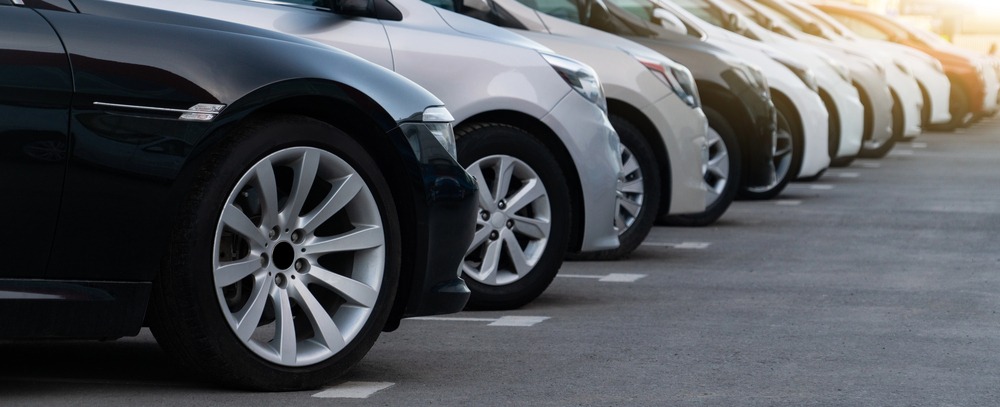
Auto dealers insurance became a turning point for Marcus when he came to us after a rough few weeks at his dealership. First, a customer clipped another car during a test drive. Then, a hailstorm dented several vehicles on his lot. He was frustrated and admitted he couldn’t keep gambling with risks that big.
We sat down together and looked at how his business really worked. Cars sitting outside, customers behind the wheel, employees in the shop. By the end, Marcus understood how the right dealer insurance could protect him without leaving gaps or wasting money on overlap. He walked away relieved, ready to focus on selling cars and growing his dealership, knowing his coverage finally fit the way he operated.
What Is Auto Dealers Insurance?
Auto dealers insurance protects dealerships from losses tied to vehicles, customers, employees, and property. It combines multiple coverages to handle test-drive accidents, inventory damage, customer injury claims, and employee-related risks.
Definition and Key Features
Auto dealers insurance is a business insurance package tailored for car and truck sellers. It bundles coverages that a dealership needs most, such as liability for customer injuries, protection for vehicles held for sale, and property coverage for the lot and showroom.
Key features include:
- Inventory coverage (dealer lot insurance): Covers new and used vehicles owned by the dealer against theft, fire, and flood.
- Garagekeepers and dealer liability: Pays for damage to customer cars in the dealer’s care, custody, or control and for liability from test drives.
- General liability and property: Protects against slips, falls, and building damage.
- Optional add-ons: Worker’s compensation, commercial auto for dealer-owned vehicles, and surety bonds for licensing.
Limits and deductibles vary by state, fleet size, and sales volume. Insurers often offer package policies to reduce gaps and simplify claims.
Who Needs Auto Dealers Insurance
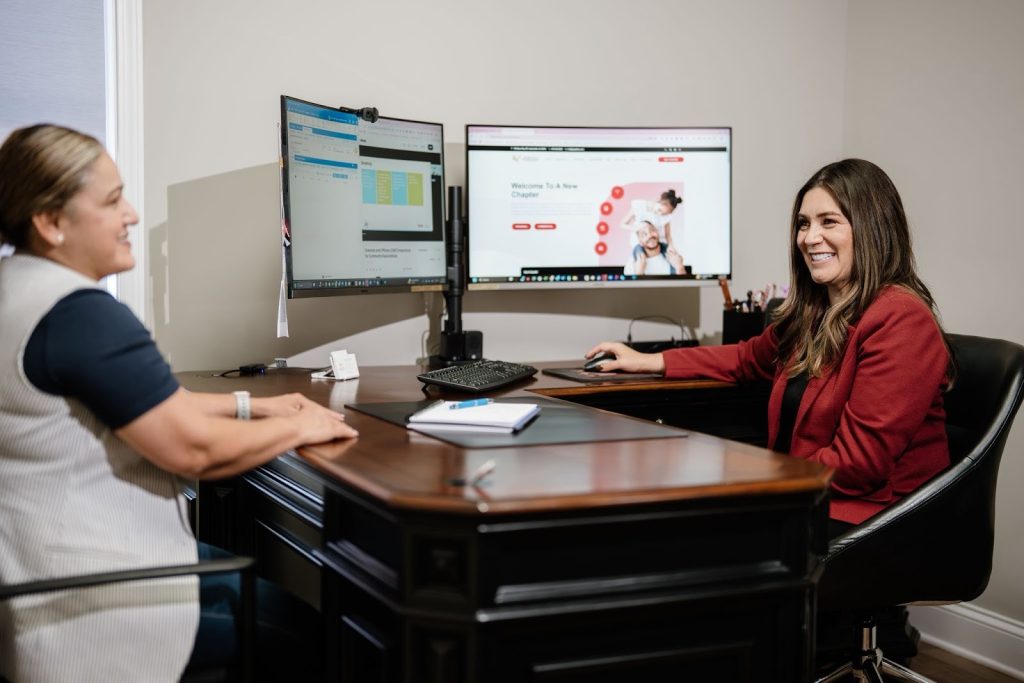
Any business that buys, sells, or services vehicles should carry dealer insurance. This includes franchised new-car dealers and independent used-car lots because both face risks from inventory losses and customer incidents.
Smaller lot owners who loan cars for test drives or keep customer trade-ins need garagekeepers coverage. Repair shops on dealer property need liability and garagekeepers protections. Employers must consider worker’s compensation if they have mechanics, sales staff, or lot attendants. Lenders or lessors often require proof of coverage before financing inventory. State licensing agencies may also require specific bonds or insurance levels to operate legally.
Types of Dealerships Covered
Auto dealers insurance applies to many dealership models and vehicle types. Insurers write policies for:
- Franchised new-car dealerships that sell manufacturer-branded vehicles.
- Independent used-car lots that buy and resell preowned vehicles.
- Truck and trailer dealerships that handle heavy-duty inventory.
- Motorcycle, RV, and specialty vehicle dealers with unique inventory risks.
Coverage needs to change by dealership type. For example, truck dealers may need higher physical damage limits and specialized liability for commercial vehicles. Specialty dealers often add equipment floater coverage for spare parts and mobile service tools. Agents work with dealers to match coverages to inventory value, lot size, and operational risks.
Core Coverages in Auto Dealers Insurance
These coverages protect the dealership’s daily operations, customer vehicles, and professional services. Each policy targets specific risks like customer injuries, inventory damage on the lot, mistakes in sales paperwork, and cars left with the dealer for service.
Garage Liability Insurance
Garage liability covers bodily injury and property damage from dealership operations. It applies when customers or employees are injured on the lot, during test drives, or while a vehicle is being serviced. This policy also covers damages caused by vehicles the dealer owns or operates in business activities.
Limits and exclusions matter. Typical limits are stated per occurrence and in aggregate; higher limits cost more but reduce out-of-pocket risk. Common exclusions include director-level intentional acts, certain pollution events, and damage to customer vehicles in the dealer’s care (handled by garagekeepers).
Dealerships should check that the policy covers dealer-owned vehicles used by sales staff, temporary loaner cars, and off-site test drives. Adding endorsements can broaden coverage for specialized services like vehicle transport or mobile repair calls.
Dealer Open Lot Coverage
Dealer open lot coverage protects inventory against physical loss while vehicles sit on the lot or in showrooms. It covers theft, fire, vandalism, storm damage, and accidental collisions that harm vehicles before sale.
Policies can be written on actual cash value or agreed value. Agreed value may better protect higher-value inventory like new cars or specialty vehicles. Dealers should confirm whether accessories, keys, and parts are included or require separate coverage.
Deductibles and per-vehicle limits affect claims payments. Seasonal risk and location matter; lots in high-theft areas or regions prone to hail may need higher limits or specific endorsements. Regular inventory audits and secure lot measures can also lower premiums.
Errors and Omissions
Errors and omissions (E&O) insurance covers financial losses from mistakes in sales, leasing, or administrative services. It applies to wrong disclosures, contract errors, title mistakes, and failure to deliver promised services.
This coverage pays legal defense costs and settlements when a customer sues for financial harm caused by the dealer’s error. Typical claims include incorrect odometer readings, missed lien checks, and misstatements about vehicle condition.
E&O policies often exclude intentional fraud and criminal acts. Dealers should verify whether E&O covers sales staff, finance managers, and third-party agents, and consider combined policies that include dealer bookkeeping or advertising errors.
Garagekeepers Insurance
Garagekeepers covers customers’ vehicles while the dealer stores, services, or tests them. It protects against theft, fire, collision, and certain kinds of vandalism when the dealership has custody of the vehicle.
There are three common coverage forms: legal liability, direct primary (physical damage), and direct excess. Legal liability applies when the dealer is at fault; direct primary pays regardless of fault. Dealers offering shuttle service, long-term repairs, or valet must evaluate which form fits their exposure.
Limits, deductibles, and specified per-vehicle coverage require close review. Dealers should confirm how towing, test-drive damage, and keys left in vehicles are treated. Good recordkeeping for intake, inspections, and customer sign-offs helps support claims.
Specialized Protections for Dealership Operations
These protections focus on the highest-value risks at a dealership: vehicle stock and internal theft or fraud. They set specific limits, valuation methods, and conditions that differ from standard business policies.
Inventory Insurance
Inventory insurance covers vehicles the dealership owns, whether on the lot, in transit, or at a storage facility. Policies usually specify valuation methods: actual cash value, agreed value, or invoice cost plus reconditioning. Dealers should confirm how the policy handles new, used, consignment, and trade-in vehicles.
Pay close attention to per-vehicle limits and aggregate limits. Physical damage causes such as fire, flood, theft, vandalism, and collision are common triggers. Many policies require security measures (gates, alarms, off-hour locks) or offer lower premiums when those measures exist.
Endorsements can add cover for transportation damage, showroom items, and parts inventory. Deductible structure matters; a higher deductible lowers premium but increases out-of-pocket risk after an incident.
Employee Dishonesty Coverage
Employee dishonesty coverage protects against theft, forgery, embezzlement, and misappropriation by staff. It applies to cash, checks, keys, titles, and even vehicle removal caused by dishonest acts. The policy defines “employee” and often excludes independent contractors unless added.
Limits and waiting periods matter. Typical policies set a per-loss limit and may include a retention (deductible). Companies should list key employees and consider scheduled coverage for managers with high access. Bonding requirements sometimes overlap; surety bonds focus on fidelity for specific roles.
Controls reduce risk and claims severity: dual-approval for large transactions, surveillance, locked keys, and regular audits. Insurers may require these controls and can deny claims if gross negligence or collusion is found.
Factors Affecting Policy Cost and Selection

Location, vehicle mix, and past claims drive most pricing and coverage choices. Insurers price policies by measurable risk: how many cars a dealer holds, what those cars are, and the dealer’s recent claim record.
Dealership Size and Location
Dealerships with larger inventories pay more because they have more vehicles at risk. A dealer with 200 new cars on the lot faces higher liability and comprehensive exposure than a single-bay used-car lot. Insurers also consider lot layout, security systems, and proximity to high-theft areas.
Urban dealers usually see higher premiums than rural ones. Zip codes with more thefts, vandalism, or accident frequency raise rates. Dealers in flood zones or near busy highways may need extra coverages like flood or garagekeepers’ add-ons, which increase cost.
Car count, employee numbers, and annual sales volume affect limits and endorsements. Smaller dealers can sometimes qualify for scaled packages or higher deductibles to save on premiums.
Types of Vehicles Sold
High-value or high-performance vehicles raise both liability and physical damage costs. Luxury brands and sports cars cost more to repair and replace, so insurers charge higher premiums.
Dealers selling many older or salvage-title vehicles face different risks. Older cars may attract lower replacement costs but raise liability if safety systems are unknown. Salvage inventory can trigger exclusions or require specialized endorsements.
Commercial trucks and specialty equipment change coverage needs. Dealers selling heavy-duty pickups, RVs, or equipment need higher garage liability and possibly commercial auto policies for test drives. Electric vehicles may lower fuel-related risks but increase repair costs due to battery replacements.
Claims History
A dealer’s recent claims record strongly affects renewals and pricing. Multiple liability or comprehensive claims in a 3-year window signal higher future losses, prompting rate increases or stricter underwriting.
Insurers look for patterns: repeated thefts from the same lot, frequent glass claims, or employee-related incidents. Those patterns can lead to higher deductibles or required risk controls like improved lighting and fencing.
Loss severity matters as much as frequency. A single large payout for bodily injury can raise premiums more than several small glass claims. Dealers with clean records often access better rates and broader coverage options.
Final Thoughts
Your dealership deserves more than a prayer and a handshake.
You’ve put everything into building your lot: the inventory, the team, the reputation. One unexpected loss shouldn’t have the power to undo all of that. The right auto dealers insurance doesn’t just protect your assets, it protects the life you’ve built around them.
And getting protected is easier than you think.
🚗 Get Your FREE Auto Dealers Insurance Quote Today. No pressure. No confusing fine print. Just a clear, honest look at what coverage makes sense for your dealership and what it’ll cost you.
It takes less than 5 minutes. Because your peace of mind shouldn’t wait.