

Insurance for Unoccupied House: Do I Need It?
Ahmed, 52, a veteran, came to me a couple of months ago. He said he had just inherited his parents’ home but he wasn’t planning to move in anytime soon. He had just one question for me: “Will my regular homeowners insurance cover the insurance for unoccupied house?”

As I walked him through the details, I showed him that most standard home insurance policies don’t fully protect a property once it’s unoccupied for too long. There are potential risks but also there are specialized coverage options that are available, and gaps he could avoid leaving him financially exposed.
What Is an Unoccupied House?
Insurance companies make a clear distinction between unoccupied and vacant:
- Unoccupied: If the house still has its furniture and some utilities, but no one is currently living there. (For example, you moved out temporarily or are away on a long trip.)
- Vacant: If the house is empty, meaning no people, no belongings—no furniture, no signs of anyone residing or living there.
This matters because when insurers see vacant homes as higher risk. For example, when a water leak has gone unnoticed for weeks, or in some instances an empty house might attract vandals.
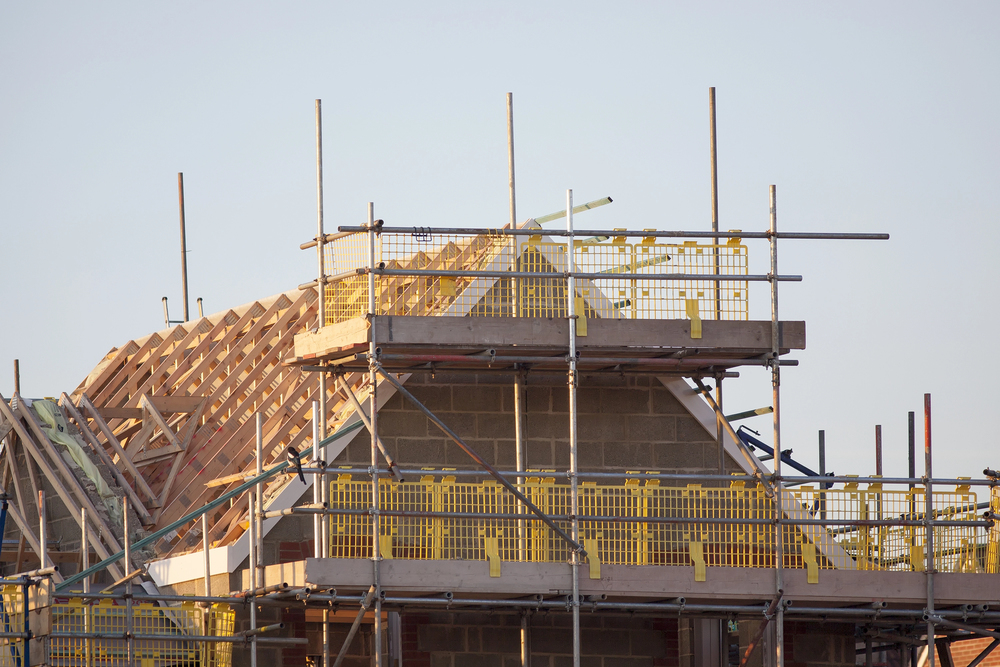
Common scenarios where this applies:
- If you are still waiting to sell your old home
- If you have undergone any major renovations
- In probate after a loved one passes
- The house is a seasonal vacation home
- If you are in a long-term travel commitment or enlisted for a military deployment
Does Homeowners Insurance Cover an Unoccupied House?
Want the short answer: Well, not usually, (at least not fully). Most of the homeowners policies include a vacancy clause—typically 30 to 60 days. After that, certain coverages (like theft or vandalism) may be excluded, and claims could be denied. That’s why it’s always risky to assume that your empty home is still fully protected under your standard policy.
Does Insurance for an Unoccupied House Exist?
Fortunately, yes, even if no one lives there or is unoccupied you can insure a house. The solution is a specialized unoccupied home insurance policy or an endorsement added to your current plan.
Typical coverage includes:
- Fire and lightning
- Theft and vandalism
- Weather-related damage (wind, hail, storms)
- Liability (if someone gets hurt on the property)
Optional add-ons may cover:
- Water damage
- Contractor liability during renovations
- Extended liability for longer vacancy periods
Who Needs Insurance for an Unoccupied House?

You may need this type of insurance if you’re:
- A homeowner who moved but hasn’t sold the old property
- A landlord between tenants
- A real estate investor holding property
- A house flipper mid-renovation
- An executor managing an inherited estate
- A vacation homeowner who only visits seasonally
Risks of Leaving a Home Uninsured While Vacant
Without proper coverage, you’re open to serious risks, including:
- Theft and vandalism because empty homes are easier targets
- Undetected damage like a burst pipe or fire that spreads before anyone notices
- Increased liability if someone trespasses or gets hurt inside your property
- Voided claims under your standard homeowners policy
- Legal trouble if a third party sues for injuries on the property
How Much Does It Really Cost for This Insurance?
Insurance for unoccupied home insurance usually costs 1.5 to 3 times more than standard homeowners coverage.

Factors that affect cost include:
- The location and neighborhood crime rates
- How long will the home be vacant
- The property value and condition
- Safety features (alarms, cameras, fencing)
Ways to lower your premium:
- If you install a monitored security system
- If you keep utilities on (especially heat in colder climates)
- Track and schedule regular inspections by a caretaker or neighbor
How Do You Get Insurance for an Unoccupied House
Here’s how to secure coverage:
- You can always check with your insurance provider, see if they are offering an endorsement or extension.
- You can work with an independent insurance broker because they can explain and compare multiple specialized policies.
- Just ask the right questions:
- How long can the house remain vacant?
- What perils are covered or excluded?
- Can I cancel once the home is occupied again?
What are the Alternatives and Temporary Coverage Options
If your situation is short-term, you may not need a full unoccupied home policy. Alternatives include:
- Take a Builder’s risk insurance if the home is under renovation.
- Take Landlord insurance if it’s for short gaps between tenants.
- There is also a Short-term vacant home policy which has flexible month-to-month coverage.
You can usually switch back to a standard homeowners policy, once the home is occupied again.
Final Thoughts
Even if a house is empty and unoccupied, it doesn’t mean that it is free of risks, it is actually the other way around. The good news is with the right kind of guidance and coverage, you can avoid the risks and keep the place protected until it can be occupied again. All you need is peace of mind and making sure your home is safe while you figure out your next steps.


