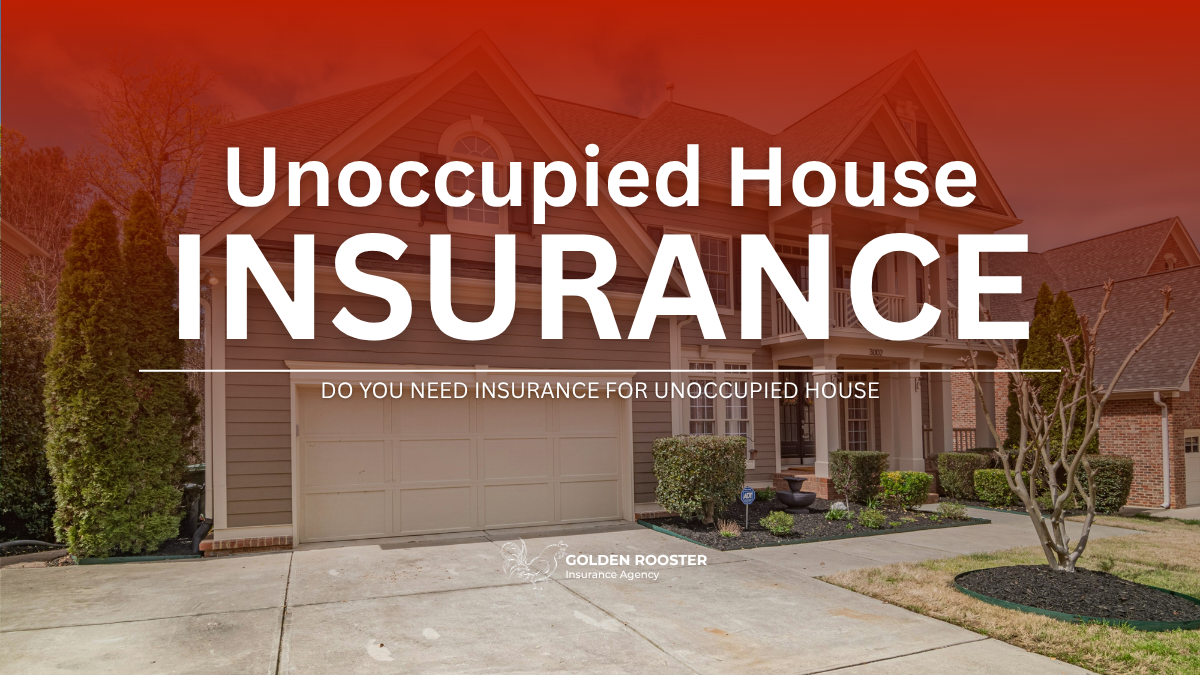
Insurance for Unoccupied House: Do I Need It?
Ahmed is 52. He’s a veteran, and a few months ago he inherited his parents’ home. He wasn’t planning to move in anytime soon, so he asked me one simple question: “Will my regular homeowners insurance also cover the insurance for unoccupied house?”

As we talked it through, I explained that most standard home insurance policies stop fully protecting a house once it’s been empty for too long. The good news is there are real options to fix that gap, and ways to avoid being left financially exposed.
What is an unoccupied house, exactly?
Insurance companies treat “unoccupied” and “vacant” as two different things, and the difference matters a lot for your coverage.
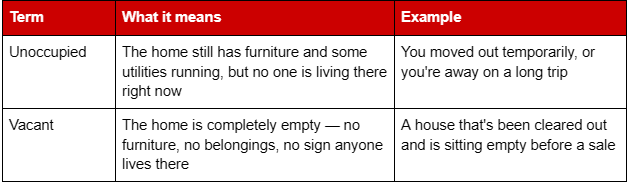
Insurance companies usually see vacant homes as a bigger risk than unoccupied ones. A water leak can go unnoticed for weeks in either case, but a fully empty home is also more likely to attract vandals or break-ins, since there’s nothing inside to suggest anyone is coming back soon.
Common scenarios where this applies:
- If you are still waiting to sell your old home
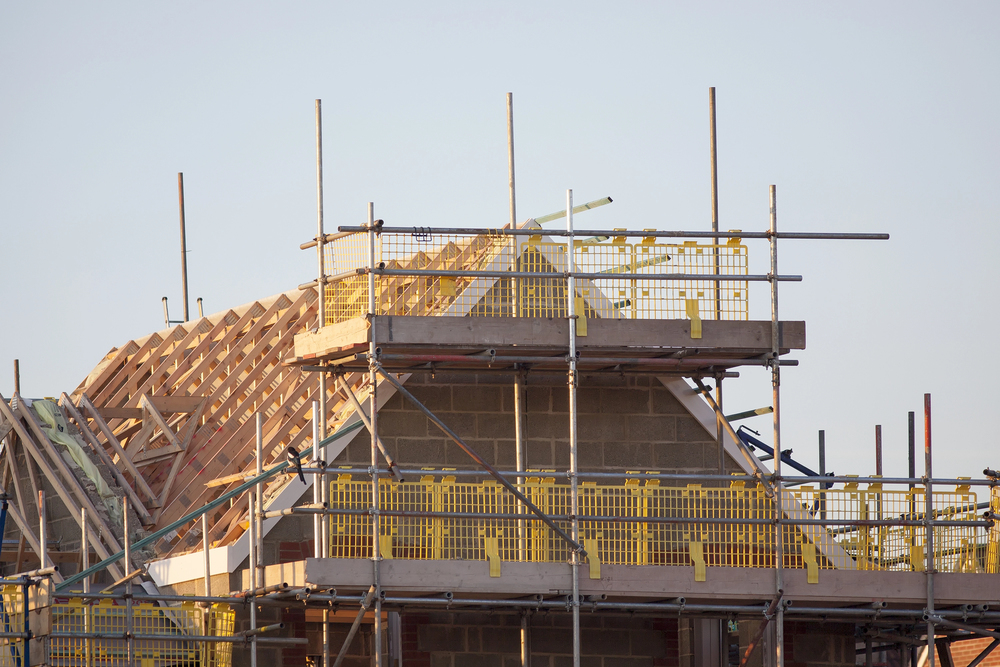
- If you have undergone any major renovations
- In probate after a loved one passes
- The house is a seasonal vacation home
- If you are in a long-term travel commitment or enlisted for a military deployment
Does homeowners insurance cover an unoccupied house?
Short answer: usually not, and not for long.
Most standard homeowners policies include something called a vacancy clause, which typically only protects an empty home for 30 to 60 days. After that window closes, certain coverage — especially theft and vandalism — may no longer apply. If something happens after that point, your claim could be denied entirely.
That’s the risky part. A lot of people assume their regular policy still has them covered, right up until they try to file a claim.
Does insurance for an unoccupied house actually exist?
Yes, it does. If your home is going to sit unoccupied for a while, you have two main options:
- A specialized unoccupied home insurance policy
- An endorsement added to your current homeowners policy
Typical coverage usually includes:
- Fire and lightning damage
- Theft and vandalism
- Weather-related damage, like wind, hail, or storms
- Liability, in case someone gets hurt on the property
Optional add-ons can also cover:
- Water damage
- Contractor liability during renovations
- Extended liability if the home will be empty for a long time
Who actually needs insurance for an unoccupied house?

You may need this type of insurance if you’re:
- A homeowner who moved but hasn’t sold the old property
- A landlord between tenants
- A real estate investor holding property
- A house flipper mid-renovation
- An executor managing an inherited estate
- A vacation homeowner who only visits seasonally
This type of coverage isn’t just for one kind of homeowner. You may need it if you’re:
- A homeowner who moved out but hasn’t sold the old property yet
- A landlord in between tenants
- A real estate investor holding a property
- A house flipper in the middle of a renovation
- An executor managing an inherited estate
- A vacation homeowner who only visits a few times a year
What happens if you leave a vacant home uninsured?
Going without the right coverage leaves you open to some serious risks:
- Theft and vandalism — empty homes are easier targets since no one is watching them closely
- Undetected damage — a burst pipe or small fire can do major damage before anyone notices
- Increased liability — if someone trespasses and gets hurt, you could be held responsible
- Voided claims — your standard homeowners policy may simply deny a claim once the vacancy clause kicks in
- Legal trouble — a third party could sue you for injuries that happened on your property
How much does unoccupied home insurance cost?
Unoccupied or vacant home insurance usually costs 1.5 to 3 times more than a standard homeowners policy. So if your regular policy costs $1,200 a year, expect somewhere between $1,800 and $3,600 a year for unoccupied coverage, depending on your situation.

What affects the cost:
- The location and crime rate of the neighborhood
- How long the home will likely stay vacant
- The property’s value and condition
- Safety features already in place, like alarms, cameras, or fencing
Ways to lower your premium:
- Install a monitored security system
- Keep the utilities running, especially heat in cold climates, to prevent frozen pipes
- Schedule regular check-ins from a caretaker, neighbor, or property manager
How do you actually get insurance for an unoccupied house?
- Check with your current insurance provider to see if they offer an endorsement or extension for vacant or unoccupied homes
- Work with an independent insurance broker, since they can compare multiple specialized policies instead of just one company’s options
- Ask the right questions before you buy, including:
- How long can the house remain vacant under this policy?
- What specific risks are covered, and what’s excluded?
- Can I cancel or switch back once the home is occupied again?
Alternatives and short-term coverage options
If your situation is temporary, you might not need a full unoccupied home policy. A few other options to consider:
- Builder’s risk insurance — a good fit if the home is mid-renovation
- Landlord insurance — works well for short gaps between tenants
- Short-term vacant home policy — flexible, month-to-month coverage for situations that could end soon
- You can usually switch back to a standard homeowners policy once the home is occupied again
Frequently asked questions
What’s the real difference between unoccupied and vacant for insurance purposes?
Unoccupied means the home still has furniture and some utilities running, but no one is currently living there. Vacant means the home is completely empty with no furniture or belongings. Insurers treat vacant homes as higher risk.
How long can a house sit empty before my homeowners insurance stops covering it?
Most standard policies include a vacancy clause that limits coverage to 30 to 60 days. After that, certain protections like theft and vandalism coverage may no longer apply.
Is unoccupied home insurance expensive?
It typically costs 1.5 to 3 times more than a standard homeowners policy, depending on the home’s location, value, and how long it will stay vacant.
Can I just keep my regular homeowners policy if my house is going to be empty for a few months?
You can, but it’s risky. Once the vacancy clause kicks in, usually after 30 to 60 days, you may lose coverage for theft, vandalism, and certain other risks.
Do I need special insurance if I’m only renovating, not fully moving out?
If the home is mid-renovation and not fully furnished or lived in, builder’s risk insurance is often a better and more affordable fit than a full unoccupied home policy.
What happens to inherited property during probate if it’s sitting empty?
It’s a common and often overlooked gap. An empty inherited home can lose standard coverage quickly, so it’s worth getting a short-term vacant home policy or an endorsement while the estate is being settled.
Final Thoughts
An empty house isn’t a house without risk — if anything, it’s often more exposed than one that’s lived in every day. The good news is that with the right policy and a little planning, you can keep the property protected the entire time it sits empty, whether that’s a few weeks or a few years.
Not sure if your current policy still covers your unoccupied or vacant property? Let’s take a look together.